



Chinese Wedding Traditions
Chinese weddings are a beautiful blend of tradition, symbolism, and celebration. Each ritual has a deep-rooted meaning, reflecting respect for family, culture, and heritage. Here’s an in-depth look at some key traditions in a Chinese wedding.


Proposal and Betrothal Gifts
The process begins with the proposal and the presentation of betrothal gifts (过大礼, guò dà lǐ). This ceremony is not just a formality but a significant cultural event where the groom's family shows their commitment and goodwill. The gifts often include jewelry, tea, wine, and traditional food items such as dried seafood, cakes, and fruits. These items symbolize prosperity, fertility, and a harmonious union. The bride’s family also reciprocates with their own set of gifts, signifying mutual respect and acceptance.
Hair Combing Ceremony
The night before the wedding, both the bride and groom partake in the hair combing ceremony (梳头, shū tóu). This ancient ritual is performed by a respected elder, typically a family member, who combs the bride’s and groom’s hair three times, each stroke with a specific blessing:
First Comb: "May your marriage last a lifetime."
Second Comb: "May you be blessed with a harmonious union."
Third Comb: "May you be blessed with an abundance of children and grandchildren."
This ceremony marks the couple's transition from youth to adulthood, preparing them for their new roles as husband and wife.
Tea Ceremony
The tea ceremony (敬茶, jìng chá) is one of the most significant events in a Chinese wedding. Held on the wedding day, this ceremony is a symbol of respect and gratitude. The bride and groom kneel before their elders and serve them tea, often sweetened with dates and lotus seeds to symbolize a sweet and fruitful union. In return, the couple receives red envelopes (红包, hóng bāo) containing money or jewelry, which are considered blessings for prosperity and good luck. This ceremony also symbolizes the acceptance of the bride and groom into each other’s families.
Door Games
Before the groom can meet his bride, he and his groomsmen must pass through a series of door games (闯门, chuǎng mén) set by the bridesmaids. These games are designed to test the groom's love, perseverance, and sometimes his sense of humor.

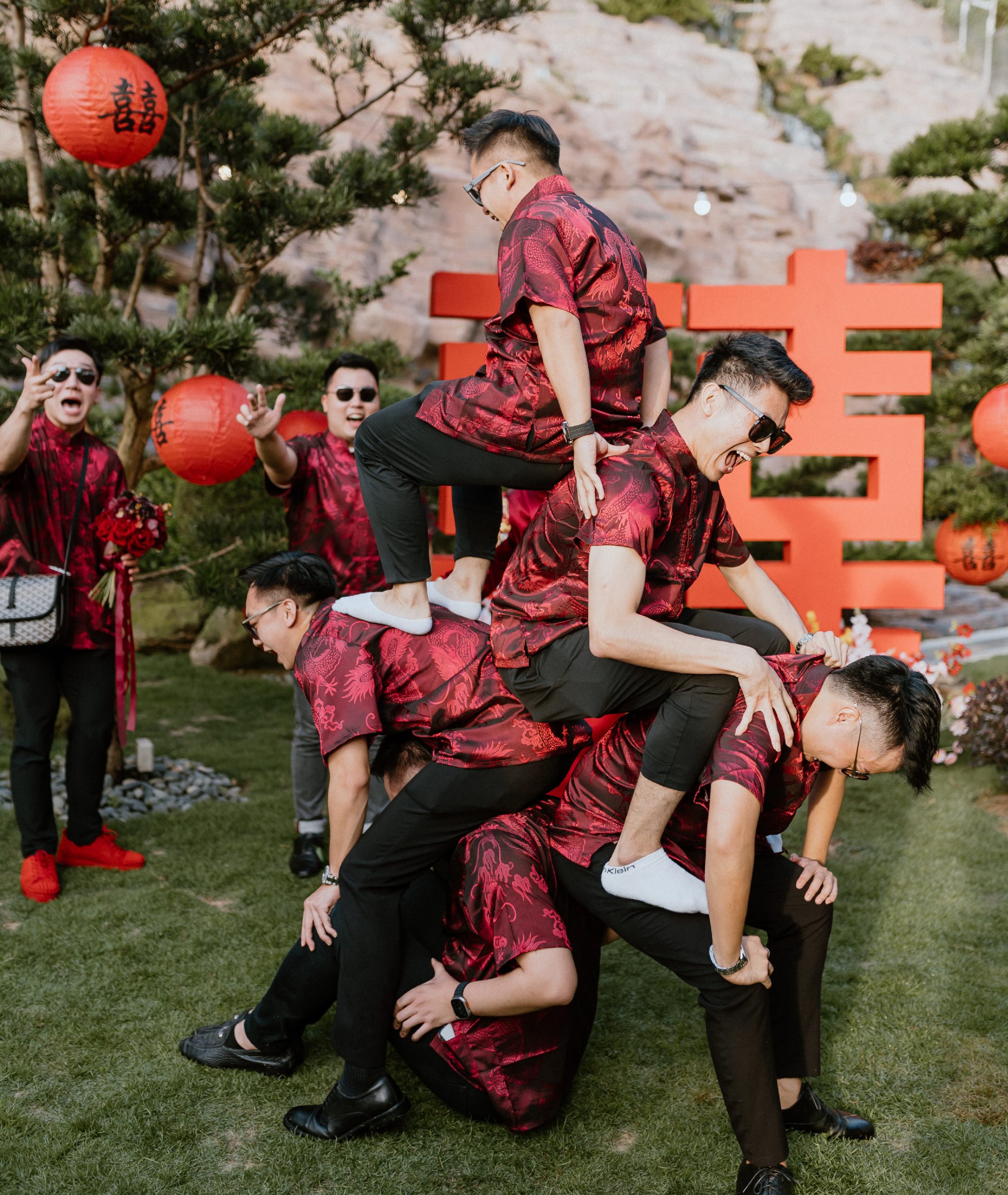
Tasks can range from answering questions about the bride to performing silly acts or paying a symbolic fee (often in the form of red envelopes). The door games add an element of fun and anticipation to the wedding day, creating joyful memories for everyone involved.
Fetch the Bride (迎亲)
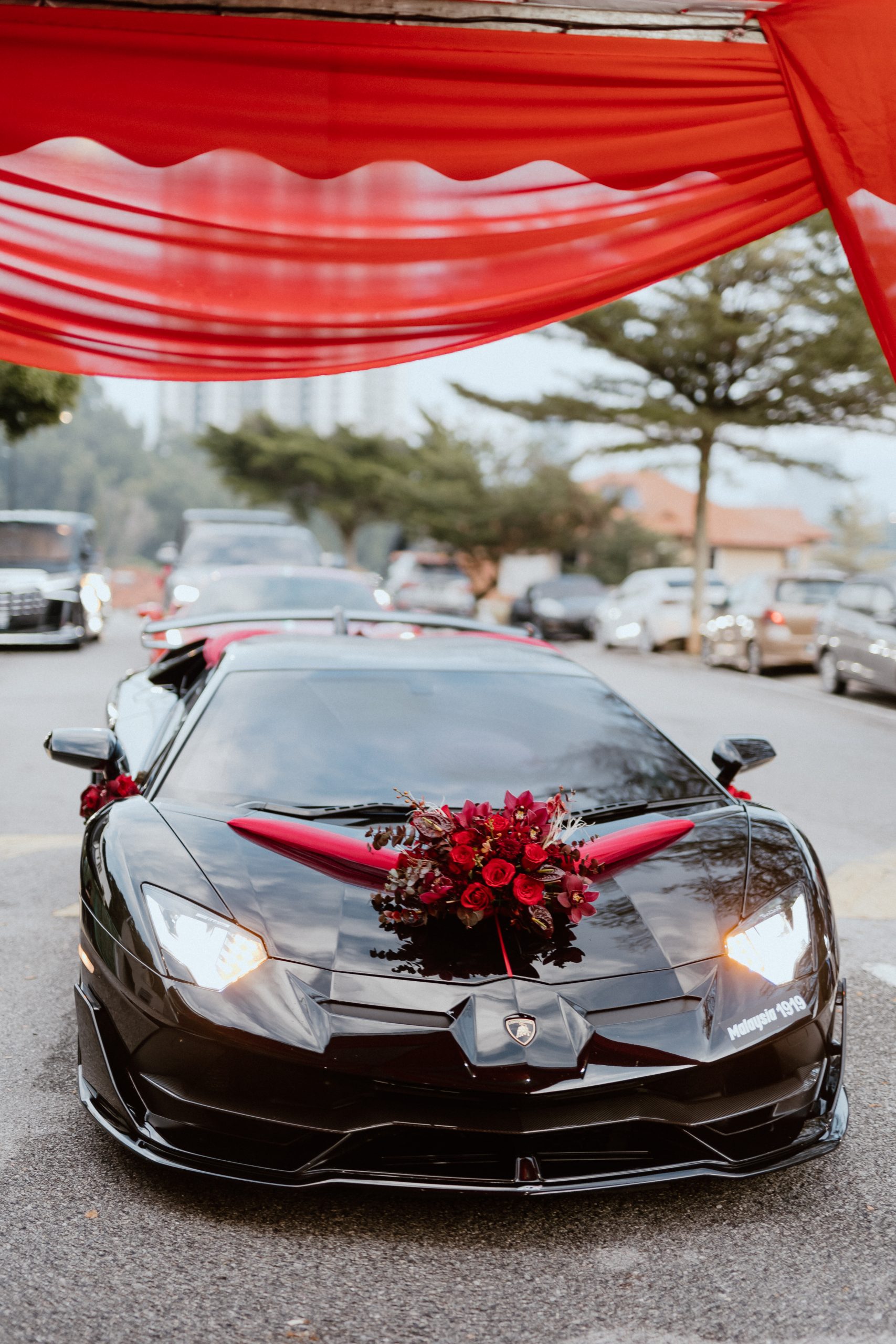
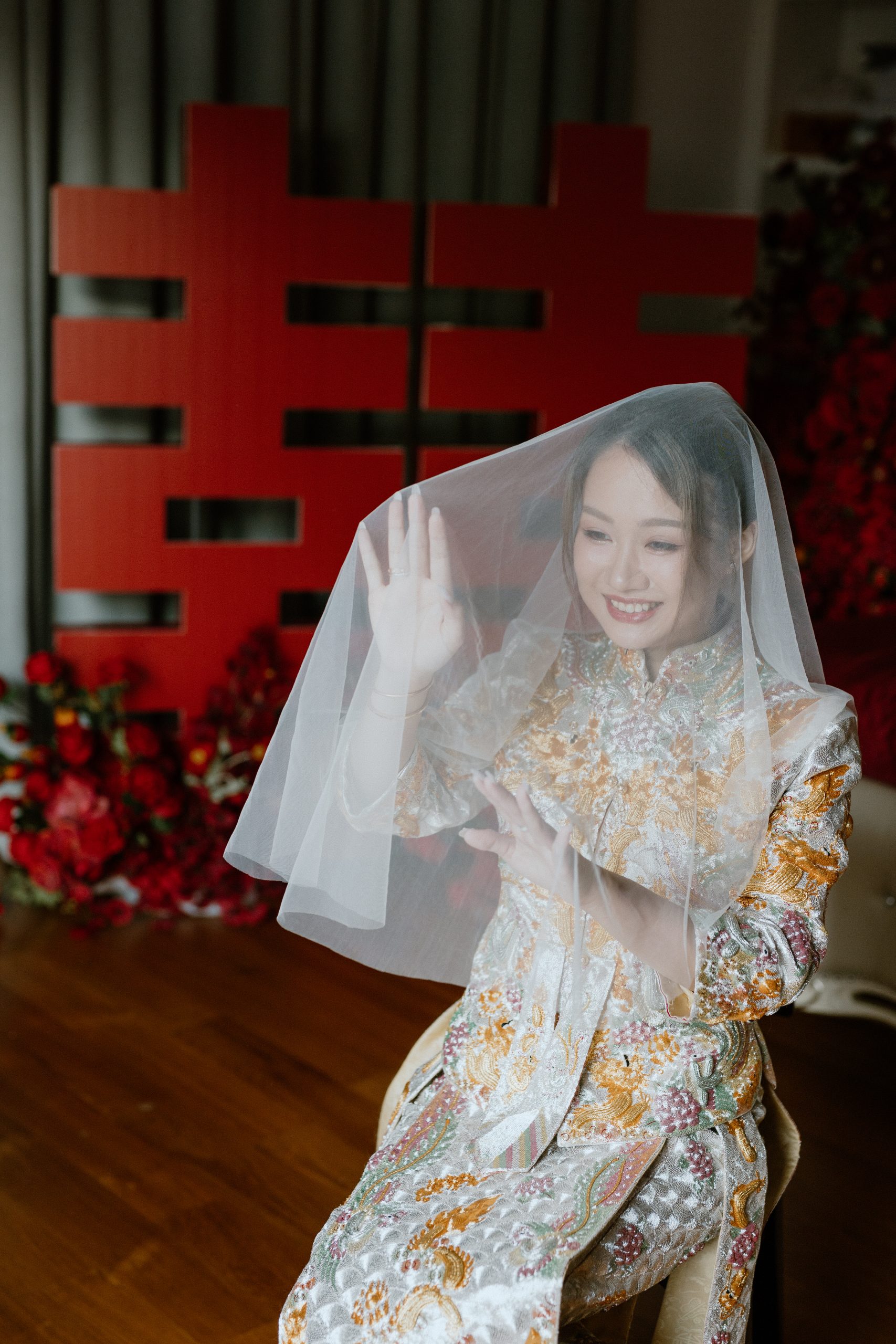
The fetch the bride ceremony (迎亲, yíng qīn) is a lively event where the groom arrives at the bride’s house to escort her to the wedding venue. This procession is often accompanied by firecrackers, lion dances, and a band playing traditional music, creating a festive atmosphere. The groom may also carry a bouquet of flowers, symbolizing his love and commitment. The bride, dressed in her beautiful wedding gown, is escorted to the groom's car, and the journey to the wedding venue begins, often with much fanfare and celebration.


Wedding Banquet
The wedding banquet (婚宴, hūn yàn) is a grand celebration that usually takes place in the evening at a hotel or restaurant. It’s an elaborate affair with multiple courses, each dish carefully chosen for its auspicious meaning. Common dishes include whole fish (symbolizing abundance), roast pork (representing prosperity), and sweet lotus seeds (for fertility). The banquet is an opportunity for family and friends to congratulate the couple and celebrate their union. Traditional toasts, speeches, and sometimes a slideshow or video montage of the couple’s journey add a personal touch to the festivities.

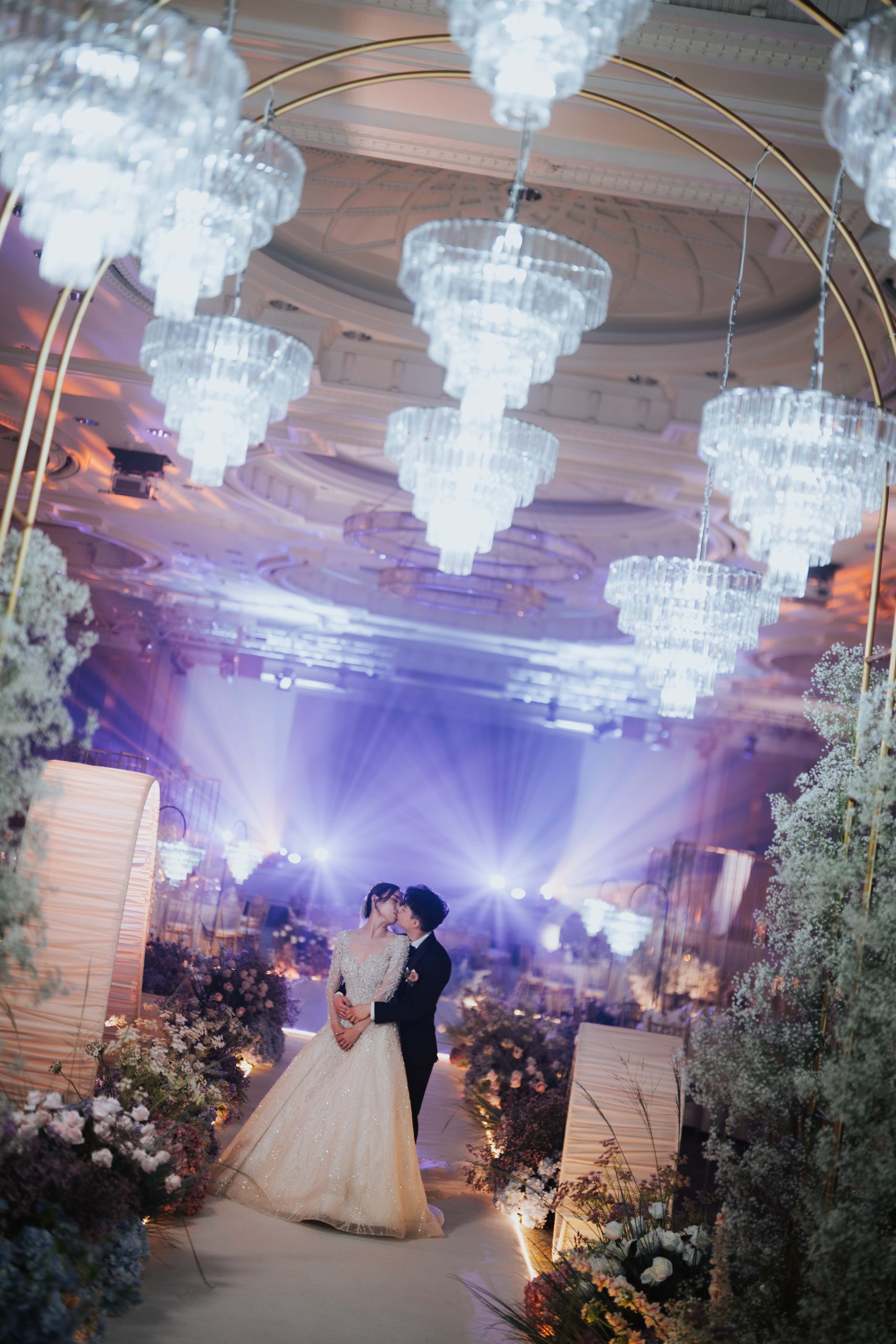
Throughout these traditions, the essence of a Chinese wedding lies in honoring family, showing respect, and celebrating the joy of union. Each ritual, filled with symbolism and meaning, weaves together a tapestry of cultural heritage and familial bonds, making the wedding day a memorable and cherished occasion.


